
How Interior Designers Can Communicate Their Value (Not Just Their Finished Work)
How value-driven language changes how clients see your work
As a sourcing and project partner, we sit right alongside designers while decisions are made, changed, defended, refined, and sometimes painfully edited. And what’s become very clear is that the language used around those decisions shapes everything: trust, fees, confidence, and long-term relationships.
Interior designers often talk about feeling undervalued – not occasionally, but chronically. Fees are questioned, decisions are second-guessed, and the depth of thinking behind a project is rarely fully seen. Many designers deliver exceptional work, yet still find themselves explaining their worth, justifying costs, or defending decisions that are rooted in years of experience.
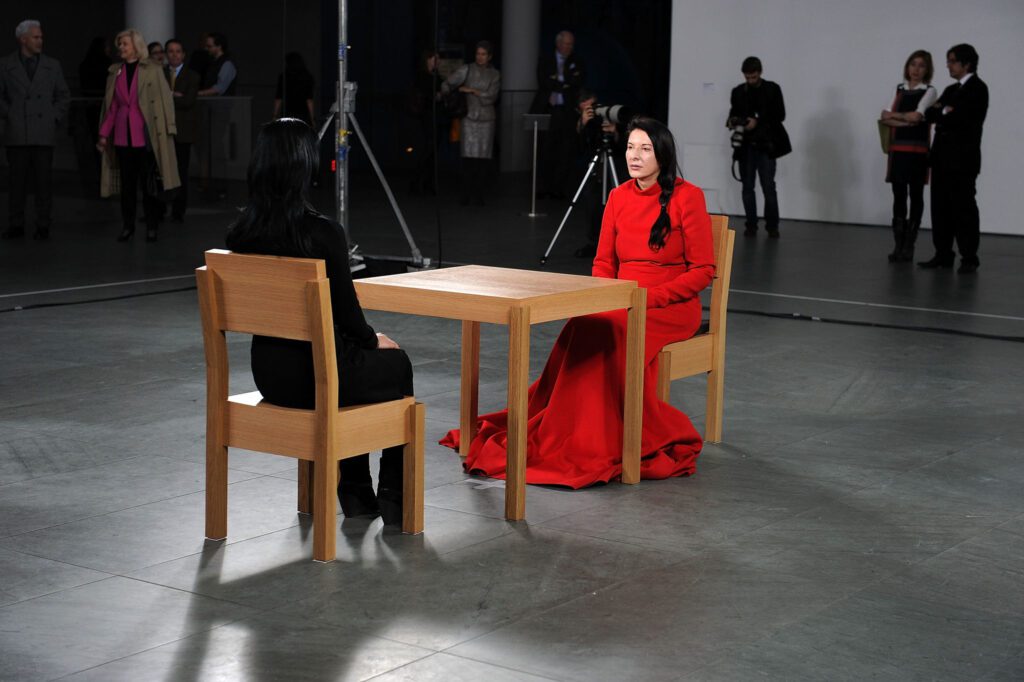
I’ve been thinking about this while reading The Museum of Modern Love, which centres around Marina Abramović’s performance The Artist Is Present. What struck me wasn’t just the work itself, but how much of its value lives in what isn’t immediately visible – the endurance, preparation, restraint, and intent that sit beneath the surface. Without that context, the work could easily be misunderstood or diminished.
Interior design often faces the same challenge. Clients see the finished room, but not the options that were rejected, the decisions that were avoided, or the quiet judgment calls that shape a space long before anything arrives on site. And when that thinking remains invisible, the value of the work often does too.
So this article is about something deceptively simple:
How designers can use value-driven language to show the depth of their work – not just the finished result.
The hidden problem with “polished reveals”
Most designers share beautiful finished spaces. And they should – the work deserves it.
But when all clients ever see is the end result, they miss:
-
what was avoided
-
what was deliberately edited out
-
what trade-offs were made
-
what complexity was managed behind the scenes
Without context, design can look effortless.
And when something looks effortless, clients often assume it was.
That’s where value leaks.
Start by talking about what you didn’t do
One of the most powerful (and underused) ways to show expertise is to name what you chose not to include.
Instead of:
“We chose a neutral palette for this space.”
Try:
“We avoided overly trend-led finishes here so the space would still feel relevant in ten years.”
Instead of:
“We kept the furniture minimal.”
Try:
“We deliberately edited the furniture selection so the proportions of the room could do the work.”
This signals:
-
restraint
-
confidence
-
long-term thinking
All high-value traits.
Make your decision-making visible when you post
When sharing a project, try weaving in one or two sentences that explain why something was chosen.
For example:
-
“We chose this table for its visual weight – lighter forms would have made the room feel unsettled.”
-
“The scale of this sofa was carefully considered to allow circulation without compromising comfort.”
-
“We prioritised material honesty here – solid finishes over decorative detail.”
You’re not just showing taste.
You’re showing judgment.
Language that quietly communicates value
Here are a few phrases designers can borrow and adapt:
-
“This decision was driven by proportion, not trend.”
-
“We refined the layout to improve alignment and flow.”
-
“The restraint here was intentional.”
-
“We focused on long-term livability rather than short-term impact.”
-
“Several options were explored before arriving at this solution.”
These phrases do important work:
They tell the client there was a process.
Bringing value-driven language into client conversations
Designers often undervalue how much reassurance clients need during a project, not just at the end.
Small shifts in language help enormously:
Instead of:
“I think this works better.”
Try:
“This works better because it reduces visual noise and improves balance.”
Instead of:
“This is more expensive.”
Try:
“This costs more because it solves the problem properly and avoids replacement down the line.”
You’re not defending taste – you’re explaining outcomes.
Contracts and fees: where this really matters
This kind of thinking shouldn’t live only on Instagram.
Designers can (and should) reflect this language in:
-
scope descriptions
-
fee structures
-
contracts
For example:
-
“Fee includes concept development, option analysis, and refinement.”
-
“Design fee reflects time spent evaluating, rejecting, and refining options.”
-
“Revisions are part of the value – not a sign of uncertainty.”
When clients understand what they’re paying for, fees feel justified rather than negotiable.
Why this matters to us (and why we’re sharing it)
At Laffan & Laffan, we support designers with sourcing, logistics, and project coordination — but we’re also deeply invested in protecting the value of design.
The more clearly designers articulate their thinking:
-
the smoother projects run
-
the easier decisions become
-
the stronger client trust is
And ultimately, the healthier the industry becomes.
A simple takeaway
Next time you share a project, have a client meeting, or review a fee:
Ask yourself:
“Have I explained what was avoided, refined, or protected here?”
If you have – you’re already doing high-value work.
Now you’re just making it visible.
Feel free to share your ideas for How Interior Designers can Communicate Their Value.